
Day of the Dead and Hanal Pixán: Yucatán Traditions Explained
If you're planning to be in Tulum between October 30th and November 2nd, , you might hear about both Día de Muertos and Hanal Pixán — two celebrations that honor the dead, but each with its own meaning, flavors, and traditions.
Here’s a simple way to understand the difference — and how you can experience both while you're here.
Día de Muertos: Altars, Marigolds & Celebration
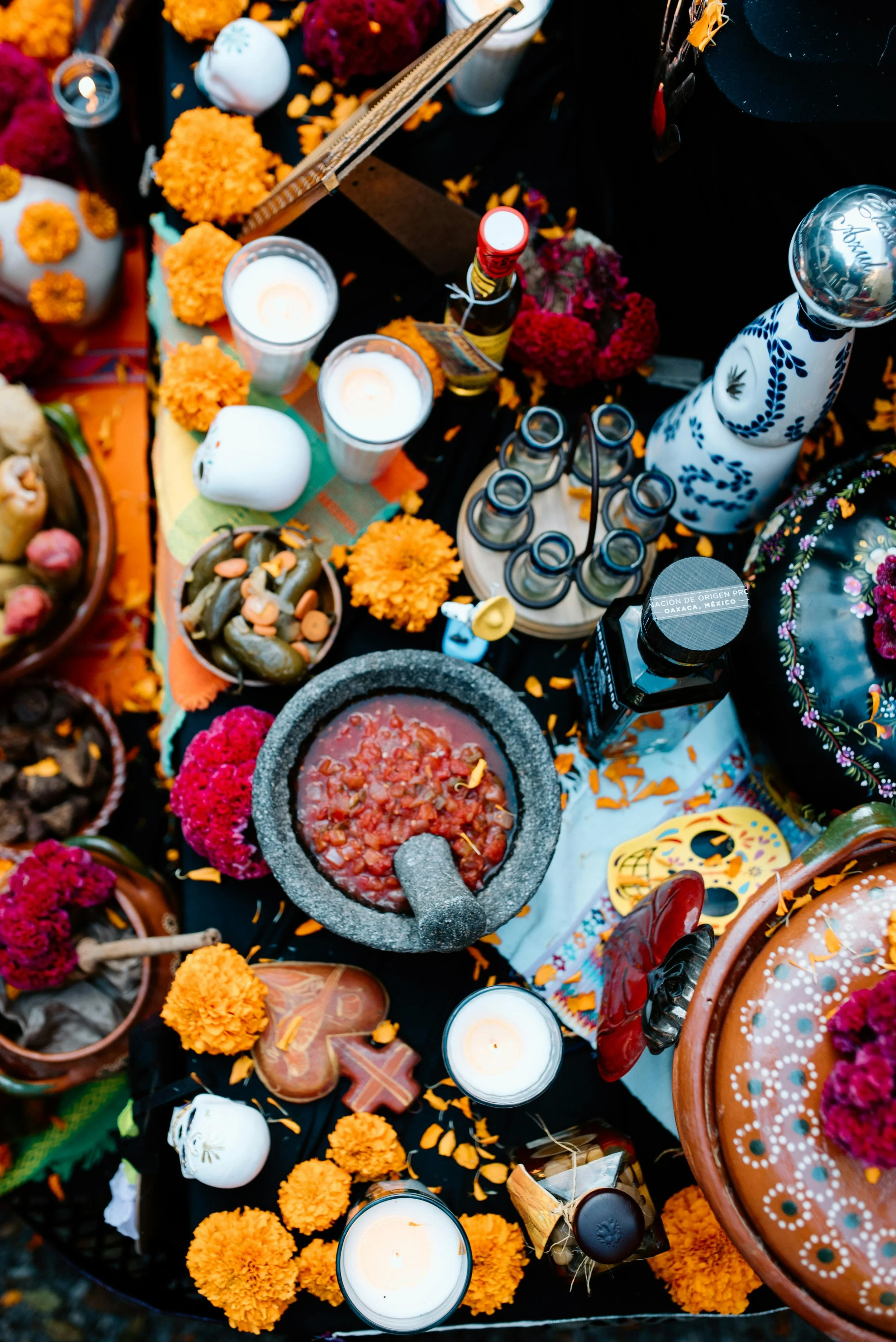
Día de Muertos (Day of the Dead) is celebrated across Mexico on November 1st and 2nd. It’s colorful, symbolic, and all about remembering loved ones who have passed. Expect to see altars (ofrendas) with marigolds, candles, favorite foods, and photos of the departed.
In Tulum and surrounding towns, you’ll also see face painting, papel picado, parades, and nighttime gatherings in cemeteries or public plazas. It’s a mix of reflection and joy — a time when families welcome the souls of their loved ones back home for a night or two.
Hanal Pixán: The Yucatán Way
Hanal Pixán means “food for the souls” in Maya, and it’s the version of Day of the Dead celebrated in the Yucatán Peninsula. It shares the same dates and intentions, but the way it’s observed is more rooted in Maya tradition and cuisine.
Families prepare traditional foods like mucbipollo (a giant tamal cooked underground), set up altars with palm fronds and jícamas, and decorate with embroidered textiles and incense. You’re less likely to see painted skulls, and more likely to feel something quieter and deeply cultural.
How to Experience It All
We help travelers connect with both sides of these traditions. Whether you want to explore a small town’s public altar displays, take a Mayan cooking class, or attend a Dia de Muertos festival, we’ll make sure it’s authentic and respectful — not touristy.
Ask us about all of the festivities over the weekend, from public celebrations to private parties.